In the current telecommunications landscape, the surge in high-bandwidth applications—from 8K streaming and cloud-based enterprise services to the expansion of 5G small cells—has pushed legacy GPON infrastructures to their limits. For Internet Service Providers (ISPs) and Network Operators, the transition to XGS-PON and 25G/50G PON is no longer a luxury but a strategic necessity.
However, the leap to higher speeds introduces significant physical layer challenges. Increased data rates lead to tighter link budgets and higher sensitivity to optical interference. This is where the quality of the optical transceiver—the "heart" of the network interface—becomes the determining factor between seamless connectivity and costly downtime.


When upgrading access networks, engineers frequently encounter three critical hurdles:
1. Thermal Management in High-Density Environments: As modules handle more data, heat dissipation becomes critical, especially in non-temperature-controlled outdoor cabinets.
2. Interoperability Across Diverse OLT/ONU Platforms: Ensuring that transceivers function flawlessly with different vendors' equipment is essential for avoiding "vendor lock-in."
3. Link Budget Optimization: Higher speeds often mean shorter reach unless the transceiver possesses superior sensitivity and launch power stability.
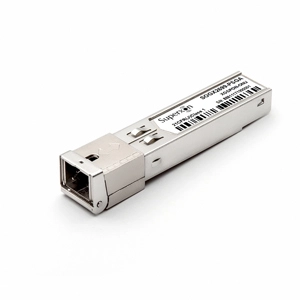
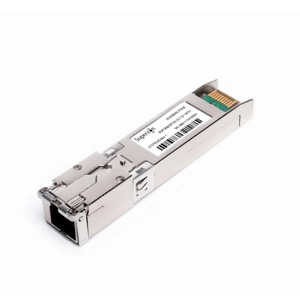
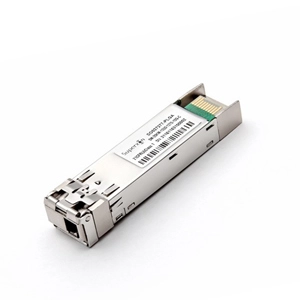
As a specialist in optical micro-assembly and high-speed module design, Superxon provides a comprehensive portfolio of Optical Transceivers engineered to meet these rigorous standards. Our solutions are designed not just to meet industry specifications, but to exceed them in real-world, harsh environments.
Superxon's XGS-PON modules support symmetrical 10Gbps upstream and downstream rates. Our Combo PON transceivers allow for the coexistence of GPON and XGS-PON on the same ODN, enabling operators to upgrade their subscriber base incrementally without replacing existing fiber splitters, significantly optimizing ROI.
Unlike standard commercial-grade modules, Superxon offers transceivers capable of operating within an industrial temperature range (-40°C to +85°C). This ensures long-term stability for 5G fronthaul and outdoor broadband deployments.

Every Superxon transceiver undergoes rigorous testing for jitter, eye-diagram stability, and protocol compliance. By integrating cutting-edge TO-CAN packaging and high-precision OSA (Optical Sub-Assembly) manufacturing, we ensure that our products provide the low latency and high reliability required for modern digital infrastructure.
Selecting the right optical transceiver is a strategic investment in network longevity. By focusing on high-performance PON solutions and specialized industrial-grade modules, Superxon empowers global operators to build faster, more resilient, and more cost-effective networks.