In the realm of fiber optic access networks, Passive Optical Network (PON) technologies are the backbone that delivers high-speed internet to homes and businesses. As bandwidth demands skyrocket due to 4K/8K streaming, cloud computing, and IoT proliferation, understanding the evolution from GPON to XGPON and XGSPON is crucial for network planners and operators.
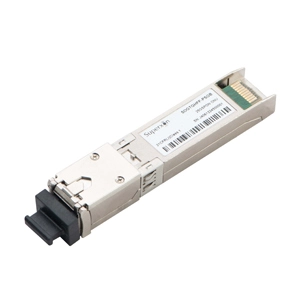
At Superxon, we specialize in providing state-of-the-art optical transceivers, including advanced GPON OLT transceiver modules and next-generation XGPON OLT solutions, empowering your network for the future.
GPON (Gigabit-Capable Passive Optical Network) is the most widely deployed PON technology. It offers a good balance of performance and cost-effectiveness.
Downstream Rate: 2.5 Gbps
Upstream Rate: 1.25 Gbps
Split Ratio: Typically 1:64 or 1:128
A standard GPON OLT transceiver can efficiently serve multiple end-users (up to 128), making it a mature and reliable choice for standard broadband services. For many current applications, GPON remains a solid and economical solution.
XGPON (10-Gigabit Passive Optical Network), also known as XG-PON, is the immediate successor to GPON, defined by the ITU-T G.987 standard. The "X" stands for 10G, highlighting its primary advantage.
Downstream Rate: 10 Gbps
Upstream Rate: 2.5 Gbps
Split Ratio: Can reach up to 1:256
This significant boost in bandwidth makes XGPON ideal for serving high-demand users, business clients, and paving the way for future services. Deploying a capable XGPON OLT is the first step toward a 10G-ready network.
XGSPON (10-Gigabit Symmetrical Passive Optical Network), or XGS-PON, is a variant of XGPON that offers symmetrical speeds. It is becoming the new favorite for next-generation deployments.
Downstream Rate: 10 Gbps
Upstream Rate: 10 Gbps
Split Ratio: Can reach up to 1:256
XGSPON is perfect for applications requiring high upstream bandwidth, such as cloud storage, video conferencing, uploading large files, and supporting 5G fronthaul.
| Feature | GPON | XGPON (XG-PON) | XGSPON (XGS-PON) |
|---|---|---|---|
| Downstream Speed | 2.5 Gbps | 10 Gbps | 10 Gbps |
| Upstream Speed | 1.25 Gbps | 2.5 Gbps | 10 Gbps |
| Standard | ITU-T G.984 | ITU-T G.987 | ITU-T G.9807.1 |
| Wavelength | Down: 1490nm Up: 1310nm | Down: 1577nm Up: 1270nm | Down: 1577nm Up: 1270nm |
| Coexistence with GPON | - | Yes | Yes |
Yes, absolutely. This is a key strategic advantage. XGPON and XGSPON use different wavelengths than GPON (as shown in the table above). This means they can run on the same existing fiber infrastructure without interference.
An operator can simply add a new XGPON OLT line card to their existing chassis and start connecting new, higher-tier customers with XGPON ONUs, while their existing GPON customers continue to be served as usual. This allows for a smooth, cost-effective migration path to higher speeds.
Stick with GPON if: Your current user base is adequately served with sub-gigabit speeds, and your primary focus is cost-efficiency for standard broadband, voice, and IPTV services. A high-quality GPON OLT transceiver from a trusted supplier like Superxon is a reliable workhorse.
Upgrade to XGPON/XGSPON if: You are facing bandwidth saturation, need to cater to premium residential users (gamers, streamers) and business customers, or are planning for future-proof services like 5G fronthaul and smart city applications. Investing in an XGPON OLT platform today prepares your network for the next decade.
Navigating the transition from GPON to 10G-PON technologies requires a reliable partner for critical optical components. Superxon is your trusted source for both legacy and cutting-edge PON solutions.
GPON OLT Transceivers: Fully compatible and highly reliable, ensuring the stability of your current network.
XGPON OLT & XGSPON OLT Modules: Designed to deliver the full 10G performance, supporting higher split ratios and seamless coexistence with your existing GPON infrastructure.
By choosing Superxon, you are not just buying a transceiver; you are investing in a partnership dedicated to the quality and future-readiness of your network.
Explore our comprehensive portfolio of GPON and XGPON/XGSPON solutions on our website. Contact us today to find the perfect optical module for your network upgrade.
NEXT