As cloud computing, artificial intelligence (AI), and 5G networks continue to scale, the pressure on global data centers and telecom infrastructures is reaching unprecedented levels. Network architects are facing a critical challenge: how to increase data throughput and reduce latency without exponentially increasing power consumption and operational costs.
The core of this challenge often lies at the physical layer of the network. Upgrading your optical transceivers is no longer just a maintenance task; it is a strategic imperative for future-proofing your network infrastructure.

Modern enterprise applications require massive data processing capabilities. From real-time financial trading platforms to AI-driven data analytics, the tolerance for network latency is practically zero.
The decentralization of data processing through edge computing and the massive data sets required for AI machine learning demand a robust, high-bandwidth interconnect solution. Legacy copper cabling and outdated optical modules simply cannot handle the immense traffic volumes, leading to packet loss, increased latency, and ultimately, a degraded user experience.
When evaluating optical transceivers for data center interconnects (DCI) or enterprise networks, decision-makers must look beyond basic speed ratings. A holistic evaluation ensures a higher Return on Investment (ROI).
Power Efficiency: As port densities increase, thermal management becomes a critical constraint. Energy-efficient transceivers significantly reduce cooling costs and lower the overall Power Usage Effectiveness (PUE) of a data center.
Form Factor and Scalability: Utilizing standardized form factors (such as SFP+, QSFP28, or QSFP-DD) ensures seamless integration with existing switches and routers, allowing for phased network upgrades without complete hardware overhauls.
Signal Integrity and Reliability: In high-speed fiber optic solutions, maintaining signal integrity over longer distances is paramount to preventing data corruption and ensuring continuous network uptime.
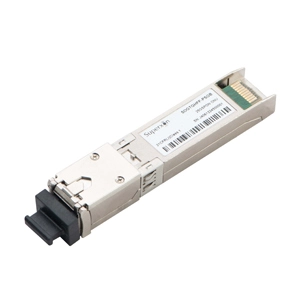
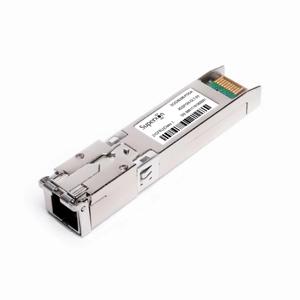
To address the stringent demands of modern telecommunications and data centers, Superxon provides a comprehensive portfolio of high-performance optical transceivers.
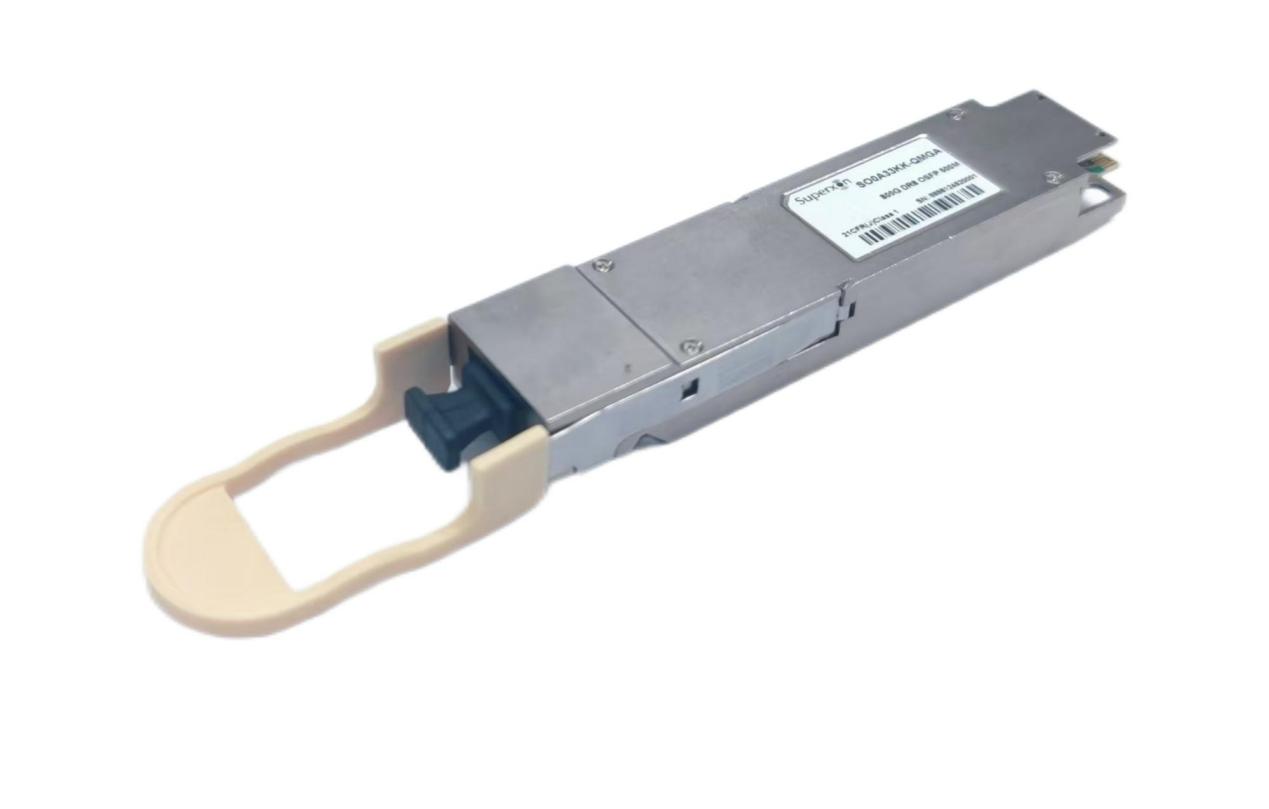
Superxon's commitment to optical innovation ensures that network operators can achieve their bandwidth goals efficiently. Here is how Superxon delivers value:
1. Comprehensive Form Factor Support: From standard SFP modules for enterprise networking to advanced QSFP solutions for core data center routing, Superxon covers the entire spectrum of connectivity needs.
2. Stringent Quality Control: Built for mission-critical environments, every Superxon transceiver undergoes rigorous testing to guarantee exceptional reliability, low latency, and zero-packet-loss performance.
3. Optimized Power Consumption: Engineered to minimize thermal output, these optical modules help facilities maintain optimal operating temperatures, directly contributing to lower operational expenditures (OPEX).
4. Seamless Compatibility: Designed to be fully MSA (Multi-Source Agreement) compliant, Superxon transceivers integrate effortlessly with major networking equipment brands, reducing deployment friction.
In an era where data is the most valuable asset, the physical components transmitting that data must be flawless. Investing in high-quality optical modules is a direct investment in your network's resilience, scalability, and long-term profitability.
Ready to eliminate your bandwidth bottlenecks? Explore Superxon's full range of Optical Transceivers and discover the connectivity solutions engineered for tomorrow's data demands.
Superxon creates a digital factory system for intelligent production and manufacturing management, realizing such functions as product work order yield statistics, output statistics, material traceability, process parameter management, equipment management, etc., and realizing digital full monitoring of production process.
NEXT