In the evolving landscape of fiber optic networks, understanding the progression from GPON to its 10-gigabit successors is crucial for building future-proof infrastructure. This guide breaks down the key differences between GPON, XG-PON, and XGS-PON to help you make an informed decision.
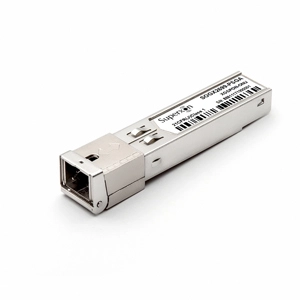
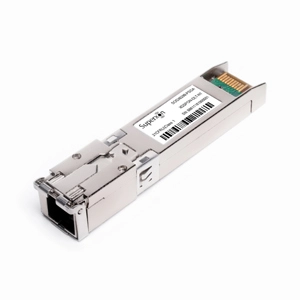
As a leading optical transceiver manufacturer, Superxon provides a complete portfolio of solutions for all three technologies, including reliable GPON OLT transceiver modules, high-performance XGPON OLT equipment, and advanced XGS-PON SFP modules.
GPON (Gigabit-capable Passive Optical Network) has been the workhorse of fiber access networks for over a decade. Defined by the ITU-T G.984 standard, it offers a robust balance of performance and cost.
Downstream Rate: 2.5 Gbps
Upstream Rate: 1.25 Gbps
Split Ratio: Typically 1:64 or 1:128
A standard GPON OLT transceiver serves as the central hub in this system, efficiently managing bandwidth for multiple users. It remains a solid, cost-effective choice for many current broadband applications.
XG-PON (10-Gigabit Passive Optical Network), defined by the ITU-T G.987 standard, is the direct successor to GPON. The "X" stands for 10G, highlighting its primary upgrade: a significant boost in downstream bandwidth.
Downstream Rate: 10 Gbps
Upstream Rate: 2.5 Gbps
Split Ratio: Up to 1:256
Deploying an XGPON OLT is the logical next step for operators whose GPON networks are nearing capacity or who need to offer premium, high-bandwidth services.
| Feature | GPON | XG-PON | XGS-PON |
|---|---|---|---|
| Standard | ITU-T G.984 | ITU-T G.987 | ITU-T G.9807.1 |
| Downstream | 2.5 Gbps | 10 Gbps | 10 Gbps |
| Upstream | 1.25 Gbps | 2.5 Gbps | 10 Gbps |
| Wavelengths | Down: 1490nm Up: 1310nm | Down: 1577nm Up: 1270nm | Down: 1577nm Up: 1270nm |
| Split Ratio | 1:64 / 1:128 | Up to 1:256 | Up to 1:256 |
A critical design feature of both XG-PON and XGS-PON is their ability to coexist with GPON on the same physical fiber. They operate on different wavelengths (as shown in the table), meaning an operator can seamlessly add a new XGPON OLT or XGS-PON SFP card to their existing system. This allows them to serve new, high-demand customers with 10G services while continuing to support legacy GPON users, all without a costly fiber overhaul.
Stick with GPON if: Your current user base is adequately served, your primary focus is cost-efficiency, and you don't foresee immediate demand for multi-gigabit services. A high-quality GPON OLT transceiver from Superxon remains a reliable and economical solution.
Upgrade to XG-PON if: You are facing downstream bandwidth constraints and need to prepare for 4K/8K video streaming and other high-consumption applications. It provides a powerful asymmetric upgrade path.
Choose XGS-PON if: You are building a future-proof network that requires symmetrical bandwidth for business services, cloud access, video conferencing, or 5G infrastructure. It is the most forward-looking and versatile technology of the three.
Navigating the transition between PON technologies requires a reliable supplier for critical optical components. Superxon is your trusted partner, offering compatible and high-performance modules for every stage of your network's evolution.
GPON OLT Transceivers: Ensure the stability and performance of your existing network.
XGPON OLT Modules: Deliver the 10G downstream power needed for the next generation of residential services.
By choosing Superxon, you invest in a partnership dedicated to the quality, compatibility, and future-readiness of your network.
PREV